
Introduction
Hearing loss is often misunderstood as merely a physical issue—a gradual decline in the ability to perceive sounds. But in reality, its effects go much deeper. Hearing loss and mental health are closely linked, and the condition also influences emotional well-being, relationships, and overall quality of life.
In this comprehensive guide, we explore how hearing loss affects mental health, damages relationships, and—most importantly—what you can do to regain control and confidence.
Emotional Impact of Hearing Loss
Hearing loss silently erodes your ability to engage with the world. It starts subtly—missing a few words, asking people to repeat themselves—and gradually grows into a psychological burden.
📉 Social Withdrawal
One of the earliest signs of emotional impact is social isolation. People with hearing loss often avoid gatherings or public spaces due to fear of embarrassment or communication difficulties. Skipping events may feel like self-preservation at first, but it often leads to loneliness and detachment from family and friends.
😞 Frustration and Low Self-Esteem
Struggling to follow conversations, especially in noisy environments, can be exhausting. Repeated miscommunication may cause embarrassment or shame. Over time, this chips away at self-esteem, especially in professional or social situations where confidence is key.
💔 Anxiety and Depression
Multiple studies, including research by the National Council on Aging, show that seniors with untreated hearing loss are 50% more likely to experience depression. Constant communication barriers foster frustration, which often snowballs into anxiety or clinical depression.
How Hearing Loss Affects Relationships
Hearing loss doesn’t only affect you. It touches every interaction you have—with your spouse, your children, your coworkers, and your friends.
💬 Miscommunication
Missing key words or phrases during conversation can lead to misunderstandings. For example, your partner might assume you’re ignoring them. Your child may feel you’re not interested in what they’re saying. Over time, these disconnects strain emotional bonds.
🔄 Repeating Gets Tiring
It’s natural for loved ones to become frustrated when they’re asked to repeat themselves frequently. Without understanding your struggle, they might withdraw emotionally or become impatient, further deepening the communication gap.
👥 Feeling Isolated in a Crowd
Even in a room full of people, hearing loss can make you feel isolated. Not being able to keep up with group discussions creates an emotional wall between you and those around you.
The Ripple Effect on Family Dynamics
When one person in a family experiences hearing loss, everyone is affected.
- Children may take on the role of interpreter.
- Spouses may start avoiding deep conversations.
- Siblings or friends might reduce their interaction due to frustration.
This shift in dynamics can disrupt emotional closeness and weaken family support systems. Recognizing this early is crucial to prevent long-term damage.
What You Can Do to Reclaim Control?
The good news is, hearing loss is manageable—especially when addressed early. With the right mindset and support systems, you can restore your quality of life and reconnect with your loved ones.
✅ 1. Use Hearing Aids Early
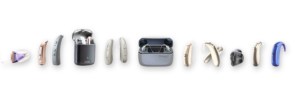
Modern hearing aids are powerful, discreet, and often rechargeable. Using them early helps:
- Reduce mental fatigue
- Improve conversation clarity
- Rebuild confidence in social settings
Schedule a free consultation with The Karna Hearing Aids to explore hearing aid options tailored to your lifestyle.
✅ 2. Communicate Clearly and Openly
Let your friends and family know about your hearing difficulties. Ask them to:
- Speak slowly and clearly
- Face you while talking
- Reduce background noise
This creates a cooperative communication environment, benefiting both you and your loved ones.
✅ 3. Stay Socially Active
Avoiding social situations may feel safer, but it deepens isolation. Consider:
- Joining hobby clubs or senior groups
- Attending community events
- Participating in online forums
Staying connected boosts your mental health and self-worth.
✅ 4. Seek Counseling or Join Support Groups
If you feel overwhelmed, talking to a professional counselor or joining a hearing loss support group can help.
- Share experiences with people who understand
- Gain emotional support and practical advice
- Feel empowered instead of alone
Check for local support groups or online communities that match your needs.
✅ 5. Make Your Home Hearing-Friendly
Small changes at home can make a big difference:
- Add rugs and curtains to reduce echo
- Use better lighting to read facial expressions
- Install assistive devices for TV and phone
These upgrades enhance your everyday comfort and confidence.
✅ 6. Educate Your Loved Ones
People may not fully grasp the mental health impact of hearing loss unless you educate them. Share articles, videos, or invite them to your audiologist appointment.
Informed family members are more likely to be:
- Emotionally supportive
- Patient and understanding
- Proactive in communication
FAQs About Hearing Loss and Mental Health
1. Can hearing loss cause depression or anxiety?
Yes, untreated hearing loss is linked to higher rates of depression and anxiety, particularly in older adults. The emotional toll of constant communication struggles can be significant.
2. How can I talk to my family about my hearing loss?
Start by being honest and specific. Let them know how it affects your daily life and ask for their support in improving communication.
3. Are hearing aids really effective for mental health?
Absolutely. By improving your ability to participate in conversations, hearing aids can reduce feelings of isolation, frustration, and emotional fatigue.
Conclusion: Healing Beyond Hearing
Hearing loss is not just an issue of sound. It’s an emotional and relational challenge that affects how you feel, connect, and live. But it doesn’t have to be a life sentence.
With early diagnosis, modern hearing aids, and a commitment to communication, you can rebuild your confidence and strengthen your relationships. Support is available. You are not alone.
Start your journey to better hearing and healthier relationships today by visiting The Karna Hearing Aids for expert guidance and compassionate care.