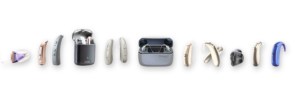

Purchasing hearing aids is a life-changing step—one that restores your ability to connect, communicate, and experience the world around you with clarity. But just like any valuable tool, hearing aids require regular care and attention. Without it, their performance can drop significantly, and their lifespan may shorten.
Unfortunately, many people overlook the importance of hearing aid maintenance, thinking these small devices don’t need much upkeep. But the truth is, neglecting routine care can result in sound distortion, discomfort, and even complete device failure.
Whether you’re new to hearing aids or a longtime user, having a consistent maintenance routine is key. In this guide, we’ll explore 6 practical and effective ways to take care of your hearing aids, plus answer some important questions about the link between hearing loss and mental health.
Let’s get started.

1. Clean Your Hearing Aids Daily
Your hearing aids are exposed to sweat, skin oils, dust, and earwax throughout the day. If not cleaned regularly, these can clog the microphone or receiver, causing the device to sound muffled or stop working altogether.
How to Clean:
- Use a soft, dry cloth or a hearing aid cleaning brush to gently wipe the surface.
- Remove visible debris from the microphone and receiver areas.
- Avoid using water, alcohol wipes, or household cleaners.
Tips:
- Wash your hands before handling your hearing aids.
- Never poke or prod openings with pins or sharp objects.
- If needed, ask your audiologist about wax loop tools and brushes for more detailed cleaning.
Why It Matters:
Regular cleaning improves sound quality, prevents buildup, and can prevent unnecessary repairs down the line.
2. Keep Your Hearing Aids Dry
Moisture is one of the biggest threats to your hearing aids. Even minimal exposure to sweat or humidity can damage delicate internal components.
Moisture Control Tips:
- Remove your devices before bathing, swimming, or entering steamy environments like saunas.
- Use a hearing aid dehumidifier or drying box overnight to eliminate moisture.
- If your devices get wet, gently dry them with a soft cloth. Never use a hairdryer or microwave.
Where to Avoid Leaving Hearing Aids:
- In the bathroom or kitchen
- On damp surfaces
- Inside a hot car or near heating vents
Keeping your hearing aids dry is one of the most powerful ways to extend their life and preserve performance.
3. Change Wax Guards and Filters Regularly
Hearing aids often include wax guards or filters to prevent earwax from reaching internal parts. While they help a lot, they need to be replaced before they clog up.
When to Replace:
- Check wax guards every 2 to 4 weeks.
- Change them if you notice reduced sound or visible buildup.
- Follow manufacturer or audiologist recommendations.
Tools:
- Most hearing aids come with a wax guard replacement kit.
- Use a cleaning brush with a wax loop to remove soft buildup before replacing.
Ignoring wax buildup can severely affect sound clarity and lead to permanent internal damage.
4. Store Them Properly
When you’re not using your hearing aids, they need to be stored safely and smartly.
Storage Tips:
- Use a hard-shell protective case.
- Keep them in a cool, dry place, away from sunlight and moisture.
- Don’t leave them in random spots like on furniture or counters where they could fall.
Pet and Child Safety:
- Keep your hearing aids out of reach of children and pets, especially dogs.
- Dogs are attracted to the scent of earwax and may chew the devices.
Smart storage protects your investment and ensures your devices stay functional for as long as possible.
5. Avoid Extreme Temperatures
Hearing aids contain sensitive electronics that don’t respond well to temperature swings.
Avoid:
- Leaving them inside a hot or freezing car
- Placing them near stoves, heaters, or windows
- Exposing them to direct sunlight for long periods
Why It Matters:
- Heat can cause battery leakage
- Cold can create condensation inside
- Sudden temperature changes may damage internal circuits
Try to store and use your hearing aids in stable, room-temperature environments for optimal performance.
6. Schedule Regular Checkups
Your audiologist plays a vital role in the ongoing health of your hearing aids.
What Happens During a Checkup:
- Professional cleaning inside and out
- Performance testing and sound quality check
- Software or firmware updates for digital aids
- Adjustments for fit and comfort
When to Go:
- Every 3 to 6 months
- Immediately if you notice distortion, volume drop, or physical damage
Regular maintenance visits catch small problems before they become big ones — and help ensure you’re always hearing your best.
Bonus Tip: Handle Batteries or Charging Correctly
Whether your device is battery-powered or rechargeable, proper battery care ensures consistent performance.
Battery Tips:
- Replace traditional batteries as soon as sound weakens.
- Keep extra batteries handy when you’re out.
- Dispose of old batteries properly.
Rechargeable Devices:
- Charge them every night, but avoid overcharging.
- Use only the manufacturer-recommended charger.
- Don’t let the battery run to zero too often.
Battery care is a simple but crucial part of your daily hearing aid routine.
Why Maintenance Matters for Mental Health & Safety
Hearing aids don’t just help you hear — they help you feel better, stay safer, and live more fully.
Poorly maintained hearing aids can result in:
- Miscommunication or misunderstandings
- Feelings of frustration, isolation, or depression
- Lower awareness of emergency sounds, like alarms or sirens
Taking good care of your hearing aids is also a way to take care of your mental and emotional health.
FAQs: Hearing Loss and Mental Health
1. Can hearing loss cause depression or anxiety?
Yes. Untreated hearing loss is closely linked to depression, anxiety, and even cognitive decline—especially in older adults. When communication becomes difficult, people often withdraw from social situations, which can lead to loneliness and emotional stress.
2. How can I talk to my family about my hearing loss?
Be honest and specific. Explain how hearing loss affects your day-to-day life, and ask for their patience and support. Encourage them to speak clearly, reduce background noise during conversations, and face you when talking.
3. Are hearing aids really effective for mental health?
Absolutely. Hearing aids improve your ability to engage in conversations, participate in social activities, and feel included. This directly reduces emotional fatigue, isolation, and frustration — all major contributors to poor mental health.
✅ Hearing Aid Maintenance Checklist
| Task | Frequency |
|---|---|
| Clean with a dry cloth | Daily |
| Use a dehumidifier | Nightly (optional) |
| Replace wax guards | Every 2–4 weeks |
| Store in a dry protective case | When not in use |
| Avoid moisture and extreme heat | Always |
| Visit your audiologist | Every 3–6 months |
| Charge or replace batteries | As needed |
Conclusion: Healing Beyond Hearing
Hearing loss isn’t just about sound. It touches every part of your life — from communication and relationships to confidence and emotional wellbeing. But with the right tools and care, it doesn’t have to hold you back.
Hearing aids, when well-maintained, can empower you to reconnect with your world — and even rediscover parts of yourself you thought were lost.
So take that small step each day to clean, protect, and check in on your devices. Because each moment you care for them, you’re really caring for yourself — your peace, your safety, and your joy.
And remember, support is always available. You don’t have to navigate hearing loss alone.
Start your journey to better hearing and healthier relationships today by visiting The Karna Hearing Aids — where expert care meets compassionate understanding.