
Choosing the right hearing aid is an important decision — one that directly impacts your daily life, communication, comfort, and even your peace of mind. With today’s advancements in hearing technology, users now have more options than ever. But that also makes the choice more overwhelming.
One of the most common questions people ask is:
Should I choose a rechargeable hearing aid or a battery-operated one?
Each type has its own benefits and drawbacks, and the right choice largely depends on your lifestyle, needs, and preferences.
In this guide, we’ll compare rechargeable vs battery-operated hearing aids in detail to help you make the most informed and confident decision in 2025.
What Are Rechargeable Hearing Aids?
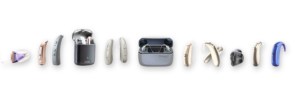
Rechargeable hearing aids come with built-in lithium-ion batteries. You simply place them in a charging dock (often overnight), and they’re good to go for the next day. Some models use USB charging, and others come with portable charging cases, similar to wireless earbuds.
They’re becoming increasingly popular for their convenience, eco-friendliness, and ease of use.
Pros of Rechargeable Hearing Aids:
- No Battery Hassle: You don’t need to constantly buy or replace tiny batteries.
- Eco-Friendly: Reduces waste and is better for the environment.
- Great for Seniors: No small parts to handle; ideal for people with arthritis or dexterity issues.
- Consistent Power: You get a full day of use with stable performance.
Cons of Rechargeable Hearing Aids:
- Daily Charging Required: You’ll need to remember to charge them every night.
- Higher Upfront Cost: Rechargeable models may cost more initially.
- Limited Power if Missed: If you forget to charge them, you can’t simply pop in new batteries.
What Are Battery-Operated Hearing Aids?
These are the traditional hearing aids that use replaceable zinc-air batteries, which typically last 3–10 days depending on usage and the device’s power consumption.
Pros of Battery-Operated Hearing Aids:
- Instant Power: Just swap in new batteries and you’re good to go.
- Ideal for Travel: No need to carry a charger — just extra batteries.
- Often Lighter: Some models are more compact due to no built-in battery.
Cons of Battery-Operated Hearing Aids:
- Ongoing Cost: You’ll need to purchase batteries regularly.
- Harder to Handle: Small batteries can be difficult to manage, especially for seniors.
- Less Eco-Friendly: Disposable batteries create waste and are less sustainable.
Which Hearing Aid Is Better for You? A Detailed Comparison
Here’s a side-by-side breakdown of how the two compare across key factors:
| Feature | Rechargeable Hearing Aids | Battery-Operated Hearing Aids |
|---|---|---|
| Ease of Use | ✅ Easier to handle | ❌ Requires changing small batteries |
| Eco-Friendliness | ✅ Sustainable and waste-free | ❌ Not environmentally friendly |
| Convenience | ✅ Just place in charger | ❌ Must carry and replace batteries |
| Upfront Cost | ❌ Slightly higher | ✅ Often lower initial price |
| Ongoing Cost | ✅ No recurring cost | ❌ Recurring cost for new batteries |
| Travel-Friendly | ❌ Needs charger | ✅ Great for remote travel |
| Suitability for Seniors | ✅ Better for arthritis/dexterity | ❌ Tiny batteries can be hard to manage |
| Power Duration | ✅ Full day on single charge | ✅ Up to 10 days per battery |
What Do Seniors Prefer?
Many seniors are now switching to rechargeable hearing aids simply because they are easier to use. No more struggling to open battery doors or trying to align tiny batteries with shaky hands.
In addition, the reliability of daily charging offers peace of mind. You wake up, put them on, and enjoy a full day of consistent sound.
However, if a senior lives in an area with unreliable electricity or often forgets to charge devices, battery-powered aids may still be a safer bet.
Environmental Impact: Go Green with Rechargeables
One hearing aid battery can take up to 100 years to decompose. With thousands of batteries discarded every year, the environmental cost of traditional models is high.
Rechargeable aids use fewer materials, create less waste, and lower your carbon footprint — making them a responsible choice for the eco-conscious user
What About Frequent Travelers?
If you’re often on the go — especially to places with limited access to electricity — traditional battery-powered hearing aids offer flexibility. You don’t have to worry about power outlets or packing a charger. Just keep a few spare batteries in your bag and you’re set.
That said, newer rechargeable models now come with portable charging cases that provide up to 3 days of backup power, making them increasingly travel-friendly too.
Maintenance and Durability
Rechargeable models usually have fewer parts to handle, which means:
- Less risk of damage
- Easier cleaning
- Minimal routine tasks
Battery-operated models require:
- Frequent opening and closing of the battery door
- More cleaning around contact points
- Careful handling to avoid losing or damaging the battery
Real-Life Scenario: Which One Fits You Best?
Scenario 1:
You’re a 65-year-old retiree who mostly stays at home, struggles with arthritis, and wants something simple.
Go for rechargeable hearing aids.
Scenario 2:
You’re a business traveler who moves between cities weekly and doesn’t want to risk losing charge mid-day.
Choose battery-operated hearing aids.
Scenario 3:
You care deeply about sustainability and want low-maintenance solutions.
Rechargeable hearing aids are perfect for you.
Which Hearing Aid Is Better?
Both rechargeable and battery-operated hearing aids offer clear benefits — it all depends on your personal lifestyle, budget, and preferences.
Choose Rechargeable Hearing Aids if:
- You prefer convenience and easy handling
- You want to avoid the hassle of changing batteries
- You care about the environment
- You are comfortable charging devices daily
Choose Battery-Operated Hearing Aids if:
- You need long-lasting power during travel
- You prefer instant replacement over daily charging
- You want a lower initial cost
- You don’t mind handling small batteries
Final Tip:
No matter which type you choose, make sure your hearing aids come from a trusted platform like The Karna Hearing aids are fitted by a professional, and are backed by support when you need it.
Your hearing health is a long-term journey — choosing the right tools will make all the difference.